
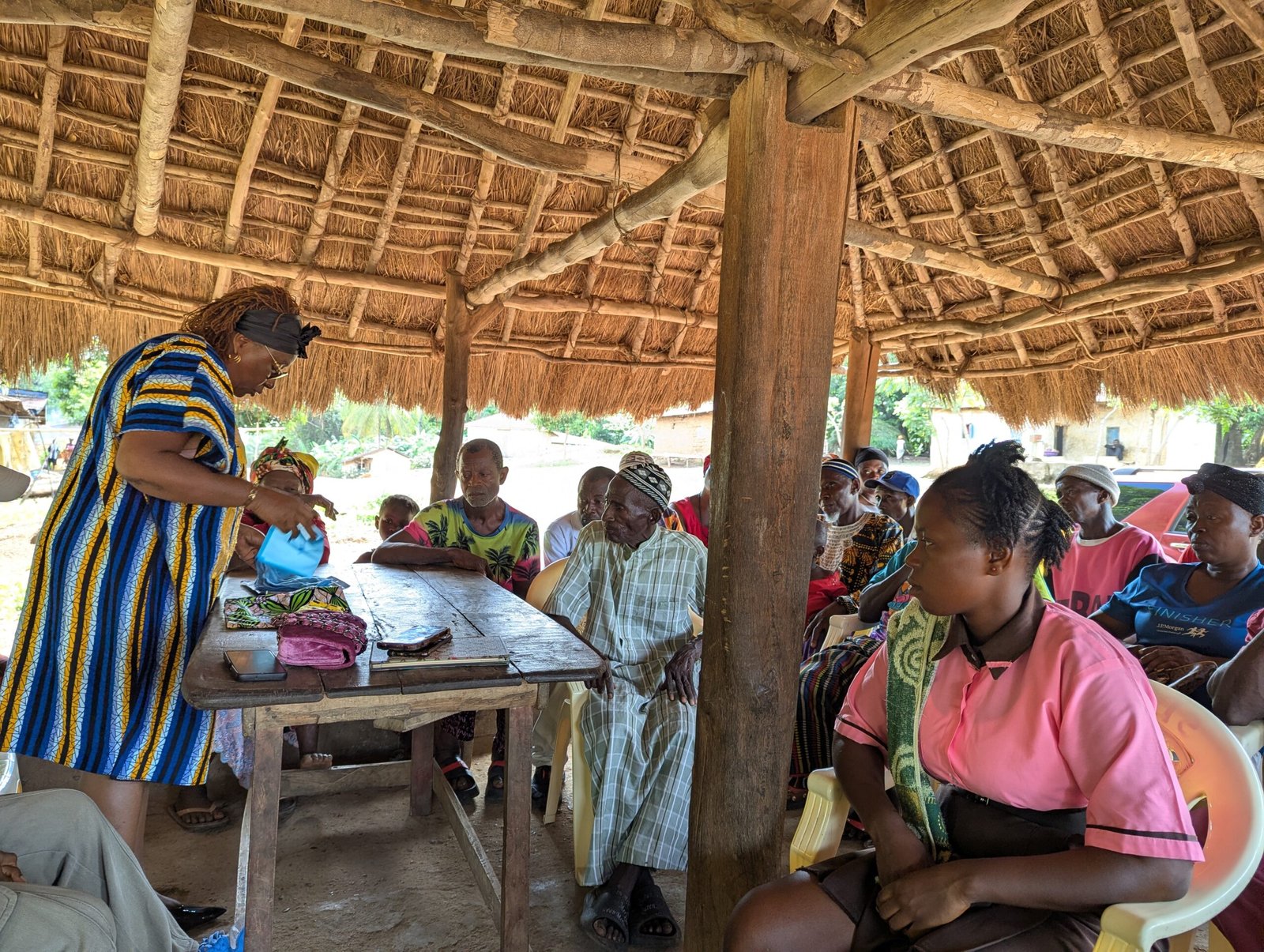
Community engagement and awareness raising
We conduct community engagement meetings with community stakeholders, traditional leaders, religious leaders, parents, elders and school stakeholders.
We address myths, misconceptions, and stigma related to menstruation, and we promoted positive attitudes towards menstruation among parents and community members, in order to better support the adolescent girls attending school.
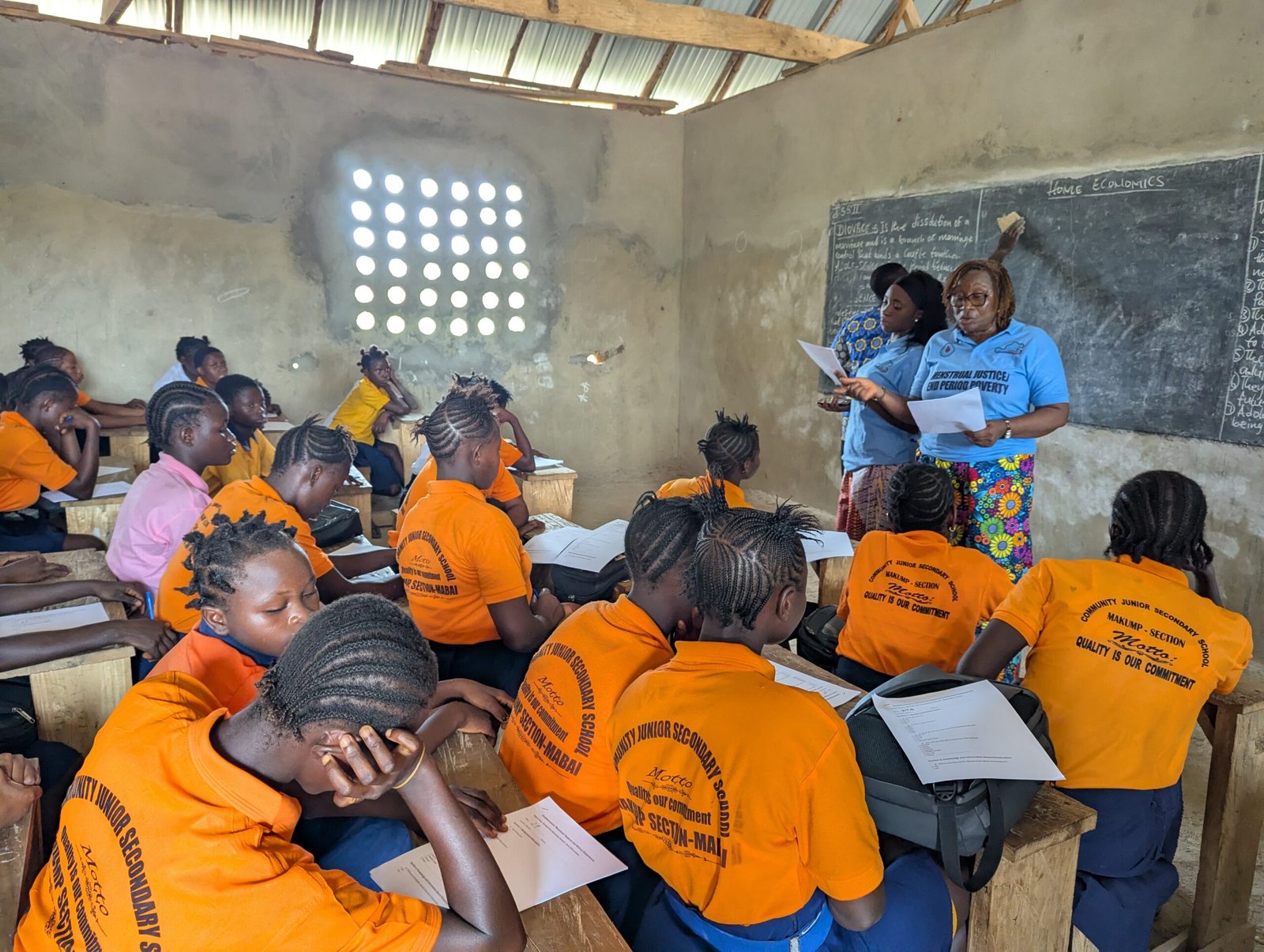
Survey
Two separate survey questionnaires were developed for girls and boys to assess the knowledge, beliefs, attitudes, experiences, and challenges related to menstruation and menstrual hygiene management among adolescent students in Tonkolili District.
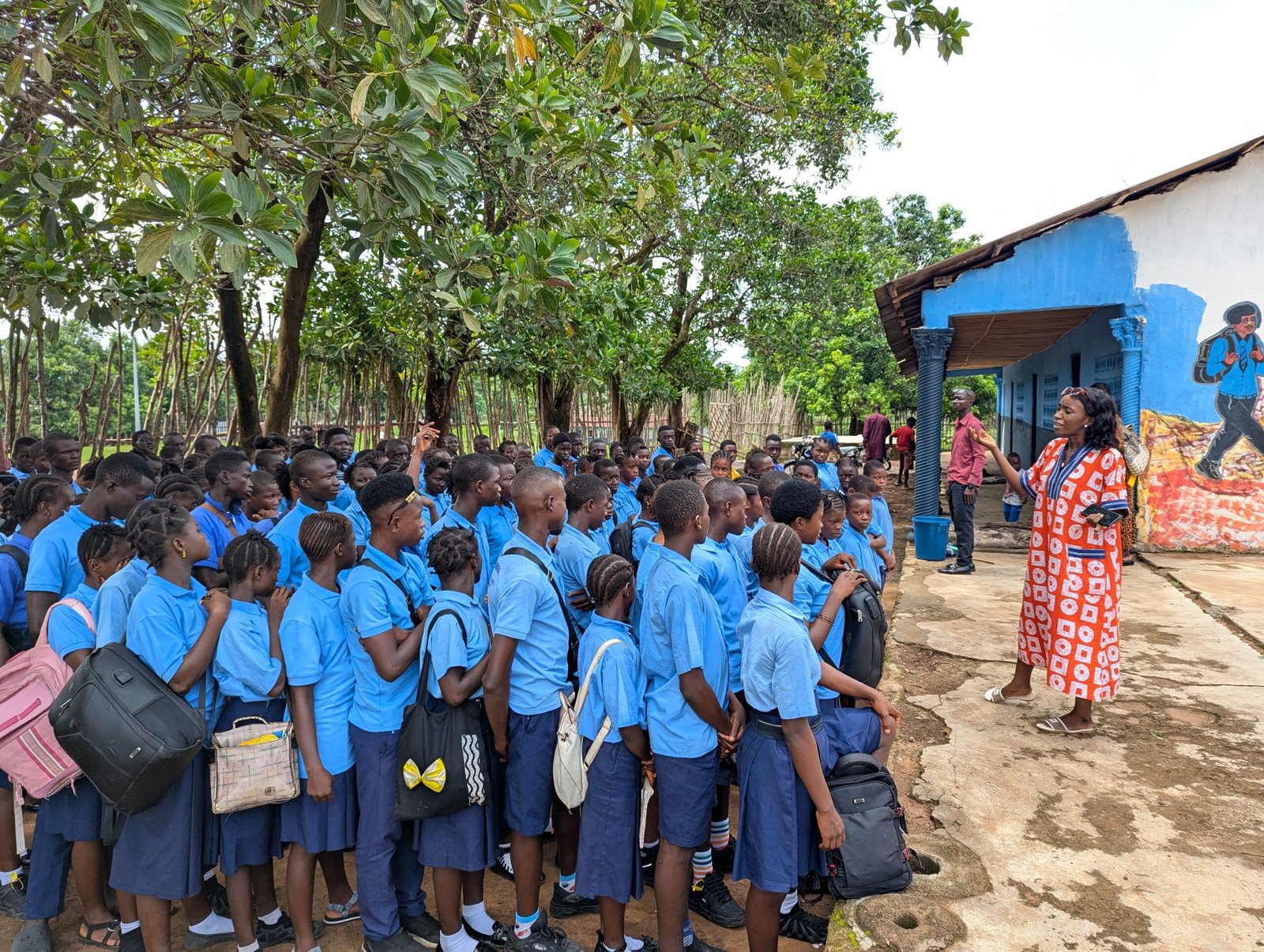
Menstrual, sexual and reproductive health education
We conduct menstrual health and hygiene as well as sexual and reproductive health education sessions, designed to provide students with accurate, age-appropriate information on puberty, menstrual hygiene management, personal hygiene, reproductive health, and the importance of making informed health decisions.
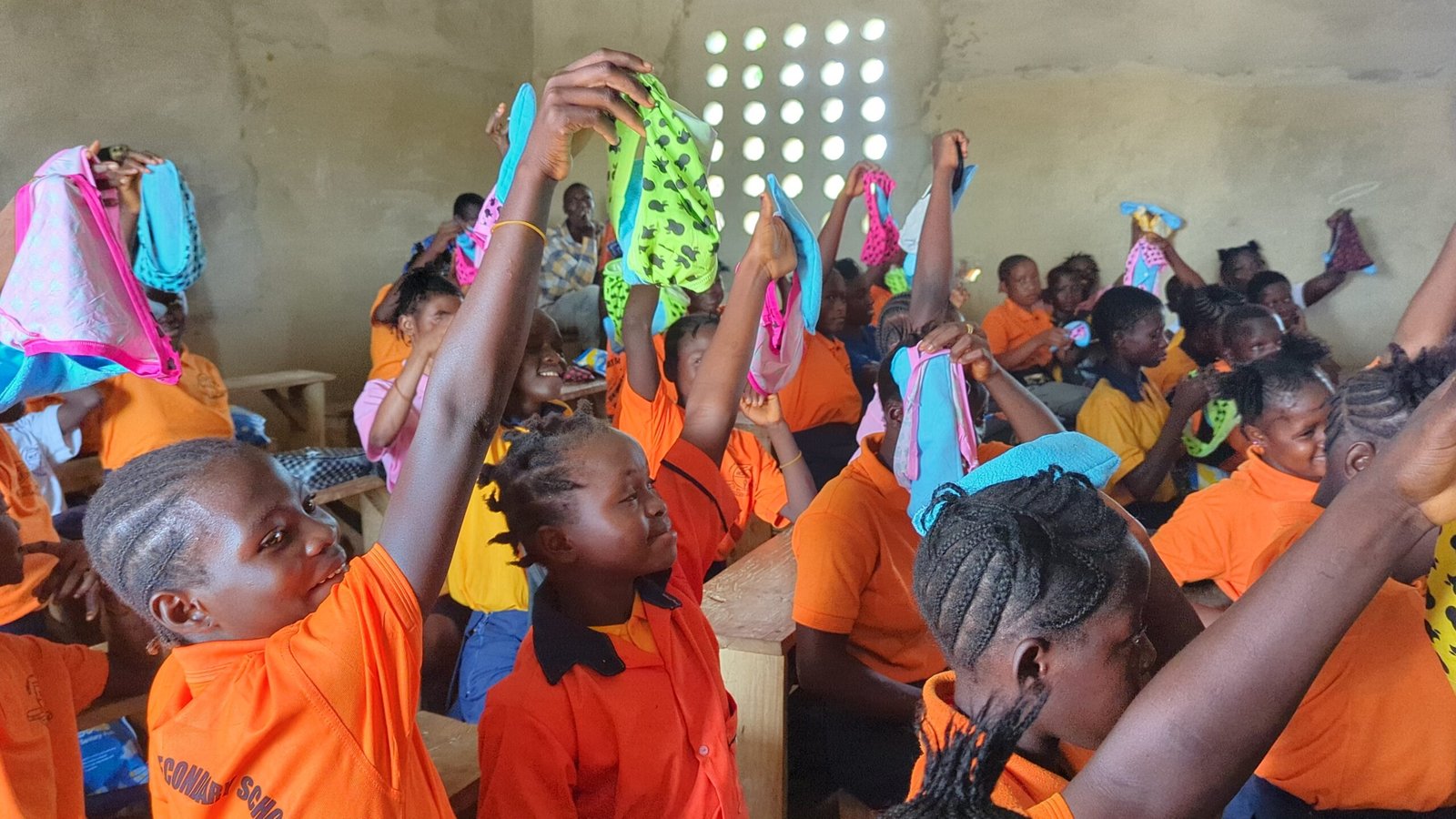
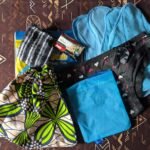
Distribution of reusable pads
The distribution aims to improve access to affordable and sustainable menstrual products, helping girls manage their menstruation with greater comfort, dignity, and confidence while remaining engaged in their education.
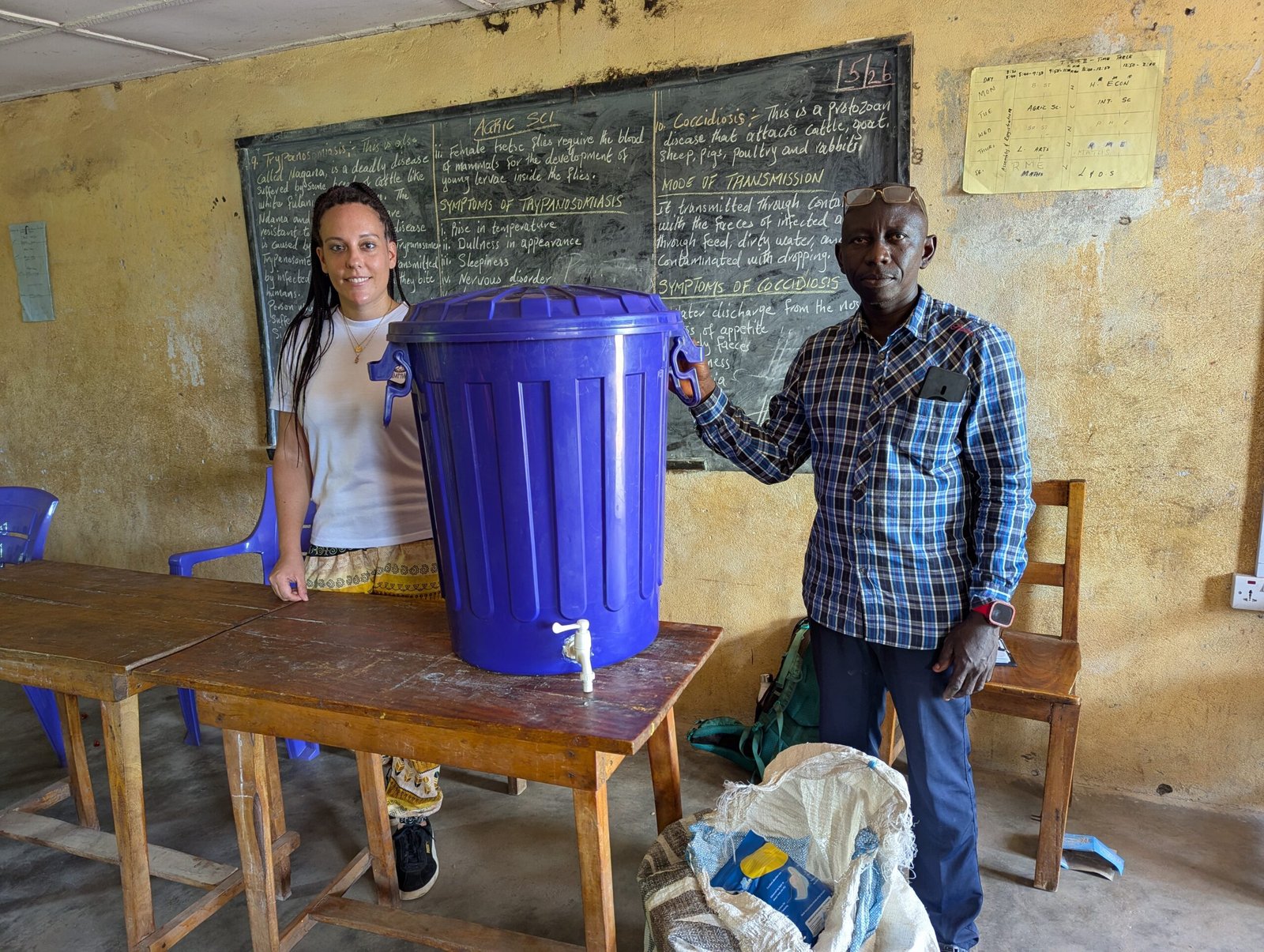
Distribution of handwashing and hygiene buckets
Access to clean water and handwashing facilities is a critical component of menstrual hygiene management, as it enables girls to maintain personal hygiene with dignity and reduces the risk of infections and other health complications.
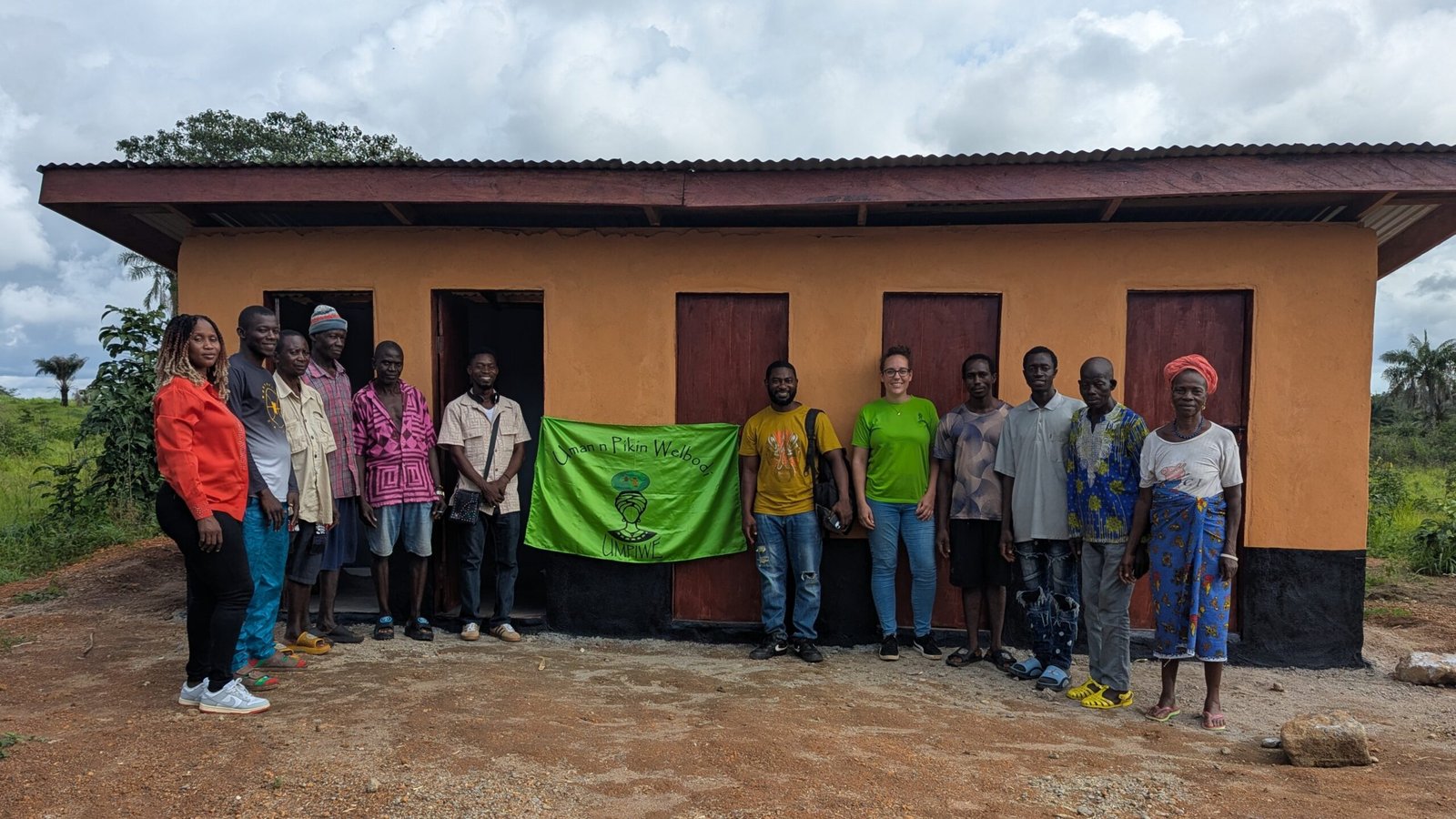
Construction of toilet rooms
The absence of adequate sanitation facilities pose a significant challenge to students’ health, dignity, and school attendance. For girls, the lack of private and secure toilets makes menstrual hygiene management especially difficult and contributes to discomfort, embarrassment, and absenteeism during menstruation.
THE SITUATION IN SIERRA LEONE
Menstrual health remains a significant public health and social issue in Sierra Leone, particularly for adolescent girls and in rural areas. Despite progress in awareness and education, many teenage girls continue to face challenges related to access to menstrual hygiene products, adequate sanitation facilities, and accurate information about menstruation. Cultural taboos and stigma surrounding menstruation often contribute to misinformation, embarrassment, and social exclusion.
As a result, some girls miss school during their menstrual periods, which can negatively affect their education, confidence, and overall well-being. Improving menstrual health management for teenage girls is therefore essential to promoting gender equality, educational attainment, and the health and empowerment of young women in Sierra Leone.
As part of our mission to enhance the health and wellbeing of women and children, UMPIWE is committed to providing locally produced reusable menstrual hygiene kits to girls attending secondary school.
Our local partner Girl Child Network Sierra Leone is a national NGO that seeks to promote the rights and holistic empowerment of the girl child in the home, school and community in Sierra Leone. Their mission is to provide a safe and supportive environment for girls, ensuring they have the opportunity to thrive, learn, and lead.
Their partner EcoJC Pads produces locally EcoJC Pad (Menstrual Pad), a reusable sanitary option. These pads not only offer cost savings, comfort, and a healthier alternative for menstrual hygiene management but also contribute to waste reduction and sustainability efforts.
Our goal is to improve menstrual health and hygiene management among adolescent girls in rural secondary schools in Sierra Leone by increasing knowledge, reducing stigma, improving access to menstrual hygiene products, and strengthening access to safe and gender-responsive sanitation facilities.