
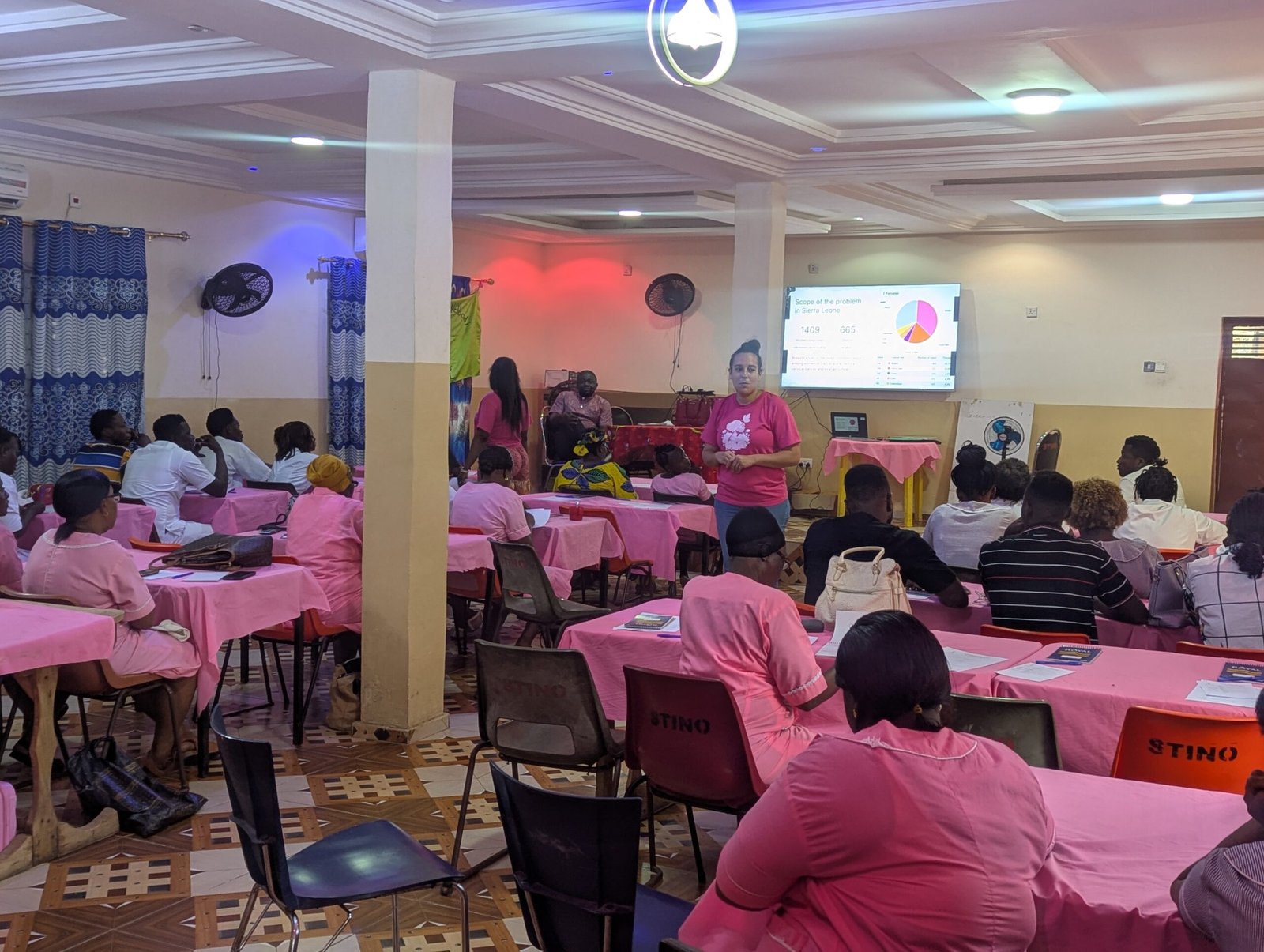
Training of healthcare professionals
Our training covers : the importance of breast cancer as a public health issue, the main signs, symptoms and risk factors, the different diagnostic methods and treatment options, and, most importantly, how to perform a clinical breast examination, with a practical session allowing participants to put their newly acquired knowledge into practice.
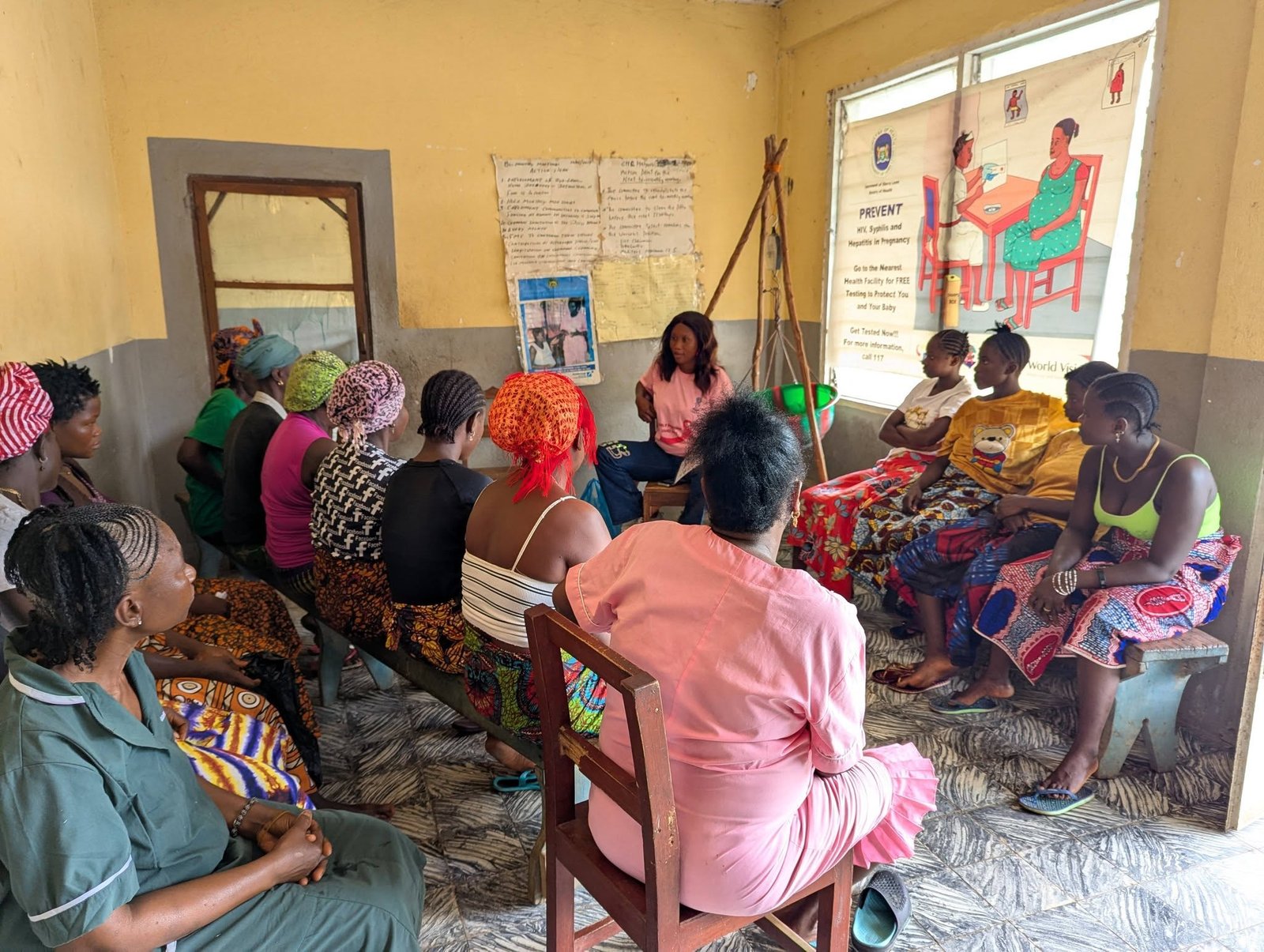
Community engagement and awareness raising
We conduct sessions about breast cancer in rural communities, health centers and secondary schools, in order to increase awareness, encourage early health-seeking behaviour, and reduce stigma surrounding breast cancer.
We inform communities on the signs and symptoms of breast cancer, the importance of early detection, and we teach them how to perform breast self-examination at home once a month.
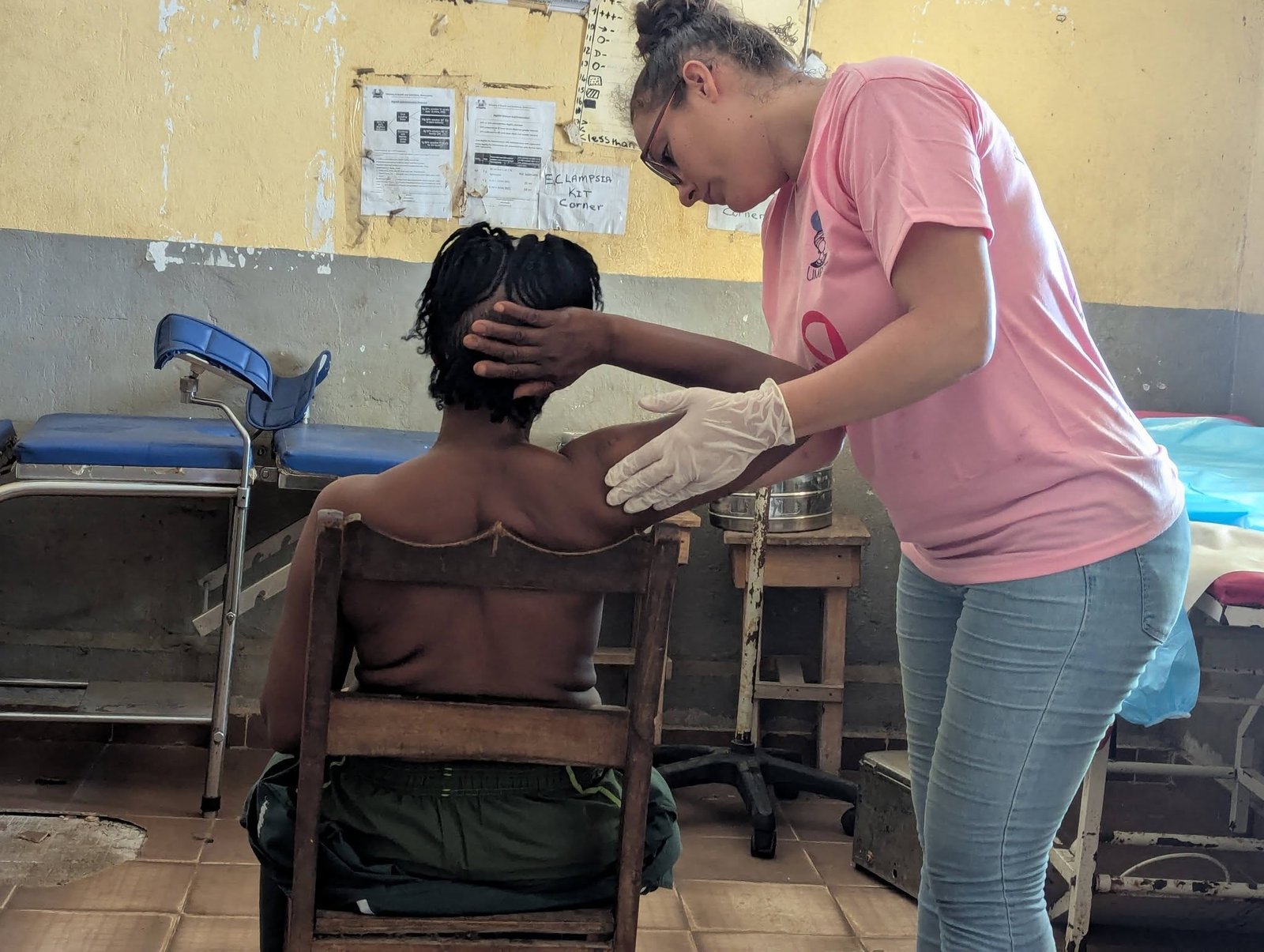
Clinical screening
After our awareness sessions with communities, we offer clinical breast examinations to women who wish to have one.
THE SITUATION IN SIERRA LEONE
Breast cancer is the most common cancer affecting women globally, and Sierra Leone is no exception. In 2022, more than 2 million women worldwide were diagnosed with the disease.
In Sierra Leone, women living with breast cancer encounter numerous challenges, including stigma and widespread misconceptions, limited awareness of symptoms, poor access to quality healthcare, mistrust of Western medicine, fear of diagnosis, inadequate screening services, and significant financial barriers such as transportation, diagnostic, and treatment costs. As a result, many women are diagnosed at more advanced stages of the disease, which greatly diminishes the likelihood of successful treatment.
Health education and promotion have consistently proven to be among the most cost-effective and impactful approaches for improving health outcomes. By sharing essential health information and empowering communities with knowledge, individuals are better positioned to make informed choices for themselves and their families.
In line with its mission to enhance the health and wellbeing of women, UMPIWE is dedicated to carrying out breast cancer awareness activities in rural communities across Tonkolili District. These efforts are crucial to achieving sustainable improvements in breast cancer prevention, early detection, and management throughout Sierra Leone.
Training healthcare workers is also a critical component in addressing the burden of breast cancer in rural Sierra Leone. Frontline health providers in Peripheral Health Units and district hospitals are often the first and sometimes the only point of contact for women seeking care. However, limited specialized training in breast cancer detection, diagnosis, counselling and referral can result in missed or delayed identification of early signs and symptoms.
By strengthening the knowledge and clinical skills of healthcare workers, the project will enhance their ability to conduct accurate clinical breast examinations, provide timely and appropriate referrals, deliver compassionate patient counselling, and dispel myths within the community. Well-trained health professionals also help build trust in the health system, improve the quality of care, and ensure that women receive consistent, evidence-based information and support, ultimately contributing to earlier detection and improved treatment outcomes.