Rhesus disease is a largely unknown and neglected condition in Sierra Leone.
 According to several studies, in Sub-Saharan Africa, about 3–4% of the population is Rhesus negative, compared to around 15% of the Caucasian population.
 Rhesus disease is a potential problem during pregnancy that occurs when a Rhesus-negative (Rh–) mother carries a Rhesus-positive (Rh+) baby. The mother’s immune system can develop antibodies against the fetus’s red blood cells, destroying them. This can be serious for subsequent pregnancies (leading to miscarriage, complications at birth, or even neonatal death) but is now largely prevented through Anti-D immunoglobulin (RhoGAM) injections.
 However, in Sierra Leone, these immunoglobulins are only available in a few private hospitals in the capital, Freetown, and are very expensive—around $170 per injection. This makes access to this crucial preventive treatment nearly impossible for the vast majority of the population.
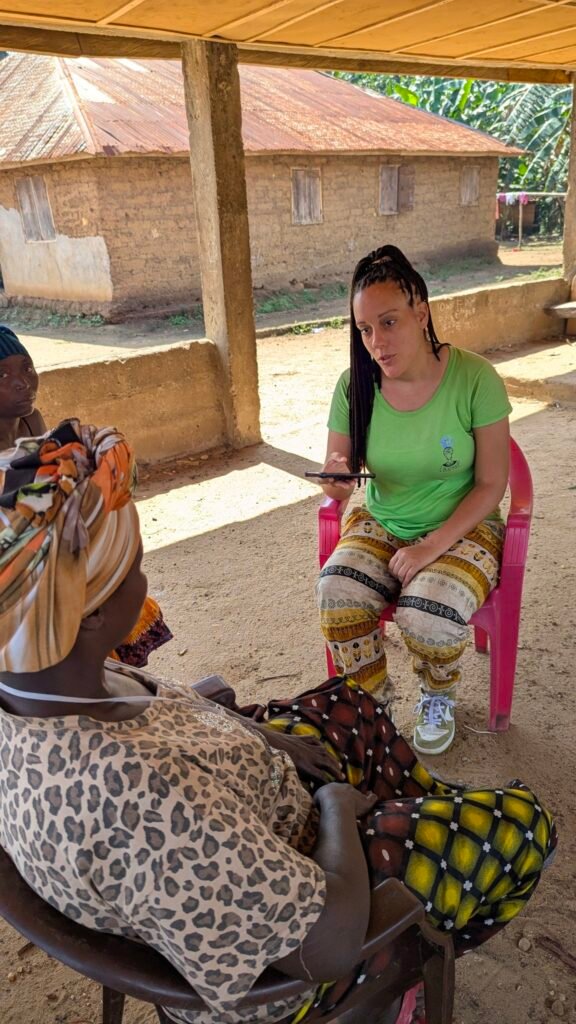
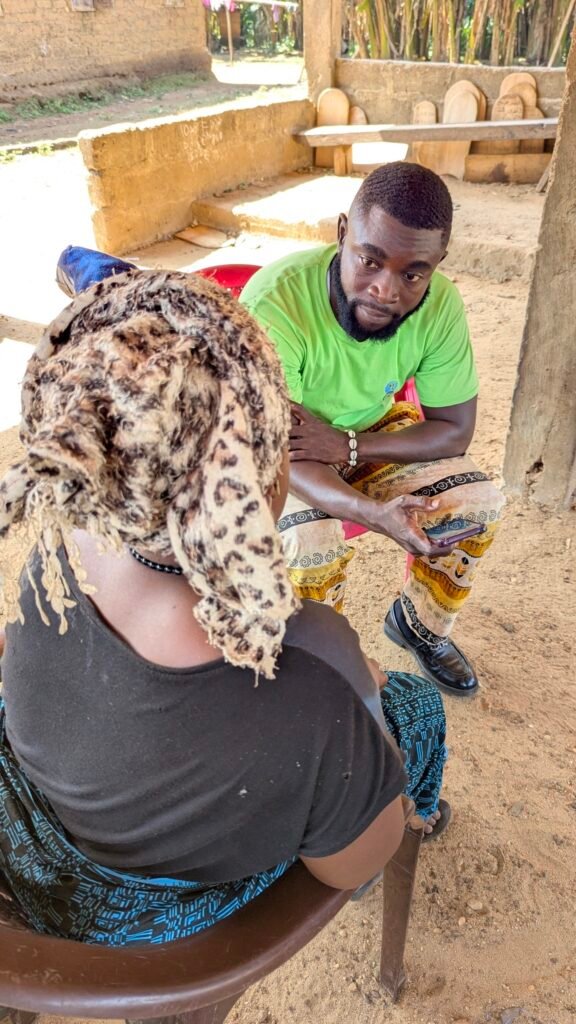
 In partnership with WIRhE (Worldwide Initiative for Rhesus disease Eradication), we are contributing to a study aimed at documenting blood group and Rhesus (Rh) incompatibility awareness among women in rural Sierra Leone, as well as identifying barriers to accessing antenatal care.
 We ask women attending our health promotion sessions to voluntarily complete a short questionnaire lasting only a few minutes.